
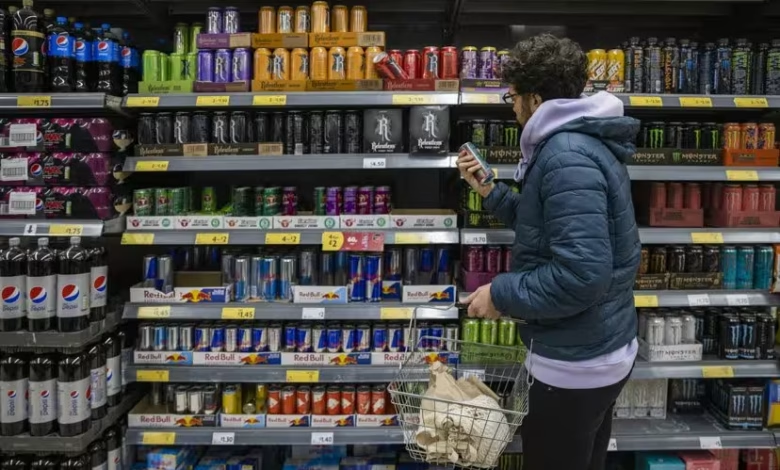
The hidden danger of drinking too many energy drinks
What seemed like a daily habit ended in a stroke that changed the life of a 50-year-old man . He was consuming eight energy drinks a day, far exceeding the recommended amount of caffeine, and the results were devastating: dangerously high blood pressure, weakness on one side of his body, and difficulty speaking and moving.
This case, published by NHS experts in BMJ Case Reports , is not isolated. Doctors warn that energy drinks, popular among young people and adults, can be a silent risk to the heart and brain, and that a lack of regulation and awareness could be putting an entire generation at risk.
THE DEADLY DOSE OF CAFFEINE
Drinking several energy drinks every day can pose a serious risk of stroke , warn experts from University Hospitals NHS Nottingham, UK
As doctors explain in the journal ‘BMJ Case Reports’, after treating a healthy, fit 50-year-old man who had a habit of drinking eight cans a day and extremely high blood pressure, the findings led to calls for stricter regulation of the sales and advertising of these drinks, especially given their popularity among young people.
The man suffered a stroke in the thalamus , the part of the brain involved in sensory perception and movement. His symptoms included weakness on his left side, numbness, and difficulties with balance, gait, swallowing, and speech—a condition collectively known as ataxia. Upon admission to the hospital, his blood pressure was 254/150 mm Hg, which is considered extremely high.
She was prescribed medication to lower her blood pressure, and her systolic blood pressure (which reflects the blood pressure during the heart’s pumping action) dropped to 170 mm Hg. But once back home, her blood pressure rose again and remained persistently high despite the intensification of her drug treatment.
WHEN FUN BECOMES RISK
After further questioning, she revealed that she drank an average of eight energy drinks a day, each containing 160 mg of caffeine, totaling a daily intake of 1200–1300 mg of caffeine. The maximum recommended daily intake is 400 mg . She was asked to stop this daily habit, after which her blood pressure returned to normal and she no longer needed blood pressure-lowering medication.
Despite this, he did not fully regain sensation on his left side. The report’s authors note that the man’s lack of awareness regarding the potential cardiovascular risks associated with excessive energy drink consumption is probably not surprising, as they are not generally considered a potential risk factor for cardiovascular disease.
“In 2018, major UK supermarkets implemented a voluntary ban on sales of [these drinks] to those under 16 in order to combat obesity , diabetes and tooth decay, but less has been explored about the potentially greater risks of [energy drinks] for cardiovascular disease, including ischemic [restricted blood supply or blood clot] and hemorrhagic [brain bleeding] strokes, particularly in younger demographics who are otherwise expected to have a lower risk of stroke,” they emphasize.
HOW MUCH CAFFEINE IS IN AN ENERGY DRINK?
Energy drinks contain more than 150 mg of caffeine per liter and typically have a very high sugar content based on glucose and varying amounts of other chemicals, they point out. ” This declared amount is ‘pure caffeine,’ but other ingredients contain ‘hidden caffeine’ ; for example, guarana is believed to contain caffeine at twice the concentration of a coffee bean. The hypothesis is that the interaction of these other ingredients, including taurine, guarana, ginseng, and glucuronolactone, potentiates the effects of caffeine, increasing the risk of stroke [cardiovascular disease] through numerous mechanisms,” the authors explain.
“An average [energy drink] is said to contain around 80 mg of caffeine per 250 ml serving, compared to 30 mg in tea and 90 mg in coffee, but in some cases it can contain up to 500 mg in a single serving,” they point out.
This report represents only one case , but the authors conclude: “While current evidence is not conclusive, given the accumulated literature, the high morbidity and mortality associated with stroke and cardiovascular disease, and the well-documented adverse health effects of high-sugar beverages , we propose that greater regulation of energy drink sales and advertising campaigns (which are often targeted at younger ages) could be beneficial for the future cerebrovascular and cardiovascular health of our society.”